
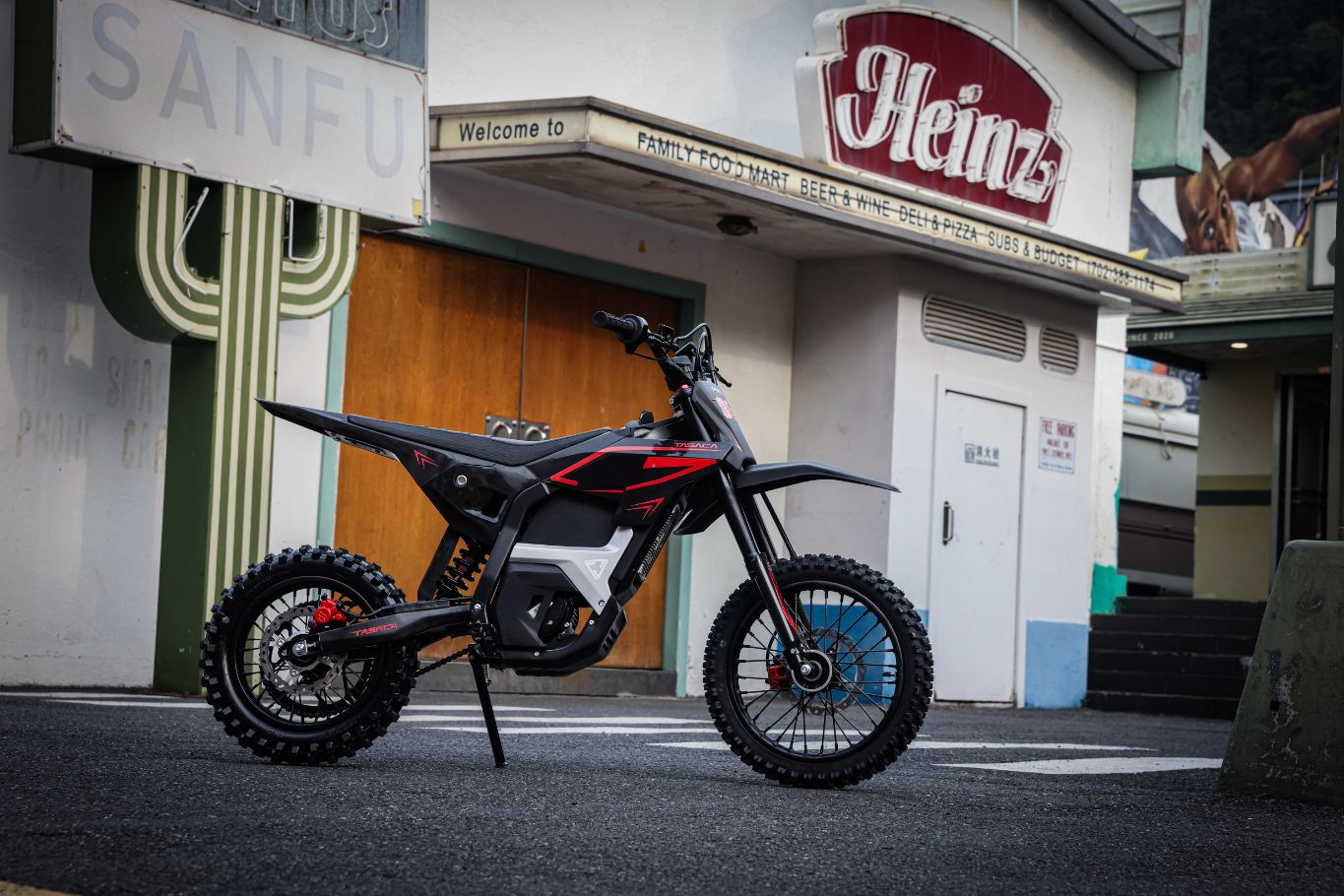
With the rapid development of electric technology, electric dirt bikes are becoming more popular than ever. However, many buyers make one critical mistake:
They focus only on power, not on how they actually plan to use the bike.
In reality, different riders need completely different setups—from daily commuting to hardcore off-road riding to beginner learning. Power, components, and safety requirements vary significantly.
In this guide, we’ll break down:
- Who electric dirt bikes are best for
- How to choose the right power level
- Key features and safety considerations for each use case
1. The Three Main Types of Riders
|
Rider Type |
Commuters + Light Trail Riders |
Off-road Enthusiasts |
Beginners / Teens |
|
Needs |
Daily riding + weekend dirt paths Dual-purpose |
Trails, hills, mud, sand |
Learning + safety |
|
Recommended Bike |
light off-road e-bike |
High-performance electric dirt bike |
Low-power entry-level bike |
|
Key Features |
Roadworthy (subject to local regulations), comfortable geometry, street-ready features |
High torque, full suspension, strong motor
|
Lightweight, controllable power, low seat height
|
2. How to Choose the Right Power?
Unlike gas bikes, electric dirt bikes deliver instant torque:
- Immediate acceleration
- Strong power delivery
- Higher risk of losing control
That’s why the rule is simple:
Choose power based on control ability—not just specs.
3. Key Features by Use Case
3.1 Commuting (Daily Riding Focus)
Battery & Range (Most Important)
For commuting, running out of battery matters more than lacking power.
How to evaluate:
- Look at Voltage (V) + Amp Hours (Ah) (e.g:52V 30Ah)
- Total capacity:Wh = V × Ah
- Real-world range is typically 70–80% of claimed range
Recommendations:
- 12–18 miles commute → ≥500Wh
- 18–37 miles commute → ≥750Wh
- Prefer removable batteries + BMS system
Higher voltage systems (52V / 72V) = stronger acceleration and better performance
Lighting & Street Legality
This is not just about visibility—it’s about legality.
Key features:
- Headlight
- Taillight + brake light
- Reflectors / turn signals (required in some states)
- Horn or bell
Tip: Choose models with factory-installed lighting systems
Avoid DIY modifications that may not meet regulations.
Comfort & Riding Position
Commuting = long, low-intensity riding.
Key factors:
- Seat comfort (not too soft)
- Upright riding posture
- Suspension for city bumps
- Wider tires for stability
Recommendation:
Upright sitting posture+ wider tires = best comfort
3.2 Off-Road Riding (Performance Focus)
Suspension (Most Critical Component)
Suspension determines whether you can ride through terrain—or not.
Key specs:
- Rear suspension (hardtail vs full suspension)
- Adjustability (rebound / compression)
Recommendations:
- Light trails → Front suspension only
- Serious off-road → Full suspension
- Adjustable suspension = big advantage
Torque (More Important Than Speed)
Off-road riding depends on torque—not top speed.
Look for:
- Motor torque (Nm), not just watts
Recommendations:
- Entry off-road → ≥60 Nm
- Advanced riding → ≥80–100 Nm
Mid-drive motors typically provide better climbing power than hub motors
Weight (Critical for Control)
Off-road riding is about control, not straight-line speed.
- Too heavy → hard to handle
- Too light → less stable
Realistic range:
- Performance electric dirt bikes: 100–130 lbs .
- Heavier = more stable, but harder to maneuver
Sweet spot:
Around 110–120 lbs for balanced performance
3.3 Beginner-Friendly Setup
Power Modes & Speed Control
New riders need control, not power.
Key features:
- Multiple modes (Eco / Normal / Sport)
- Speed limiter
Recommendation:
- Must include low-speed mode (≤25 mph / 40 km/h)
- Smooth throttle response > aggressive acceleration
Braking System
Most beginner mistakes happen during braking—not riding.
Must-have:
- Hydraulic disc brakes (better than mechanical)
- Motor cutoff when braking
Size & Weight
Confidence comes from control.
Key factors:
- Seat height
- Bike weight
- Ease of handling
Recommendations:
- Prioritize fit over specs
- Lighter bikes are easier for beginners
- Lower seat height improves confidence
4. Safety Essentials
The biggest risk isn’t speed—it’s loss of control.
Must-have gear:
- Full-face helmet
- Knee & elbow guards
- Riding gloves
- Riding boots
Recommended upgrades:
- Power limiting mode
- High-performance brakes
- Off-road tires
5. Common Mistakes to Avoid
Many buyers fall into two common traps when choosing an electric dirt bike.
The first is trying to find one bike that does everything. In reality, it’s very hard to balance off-road performance, long range, and street legality in a single machine. True off-road bikes are built with strong suspension and high torque, which usually makes them heavier, less efficient, and harder to qualify as street-legal. On the other hand, commuter-focused bikes are designed to be lightweight, efficient, and compliant—but they’re not built for aggressive trail riding.
The second mistake is assuming that more power automatically means a better riding experience. That’s not always true. For beginners especially, too much power can actually make the bike harder to control and increase the risk of accidents. High torque and strong acceleration only become advantages when the rider has the skills to manage them.
The bottom line:
Don’t chase the most powerful or “do-it-all” bike—choose the one that fits your riding style and experience level.
6. Legal Disclaimer (Important)
Electric dirt bikes may not be street-legal in all areas.
Check local regulations regarding OHV (Off-Highway Vehicle) or street-legal requirements in your state.
7. Final Thoughts
Choosing an electric dirt bike is really about choosing how you ride:
- Commuters → prioritize range & comfort
- Off-road riders → prioritize performance & control
- Beginners → prioritize safety & usability
One key takeaway:
Don’t choose the most powerful bike—choose the one that fits your riding style.
Share:
Buying the Bike Is Just the Beginning: Where Does the TCO (Total Cost of Ownership) Really Go?
Electric Dirt Bike Beginner Riding Tips | Stable First Steps for New Riders, Safe & Controlled