
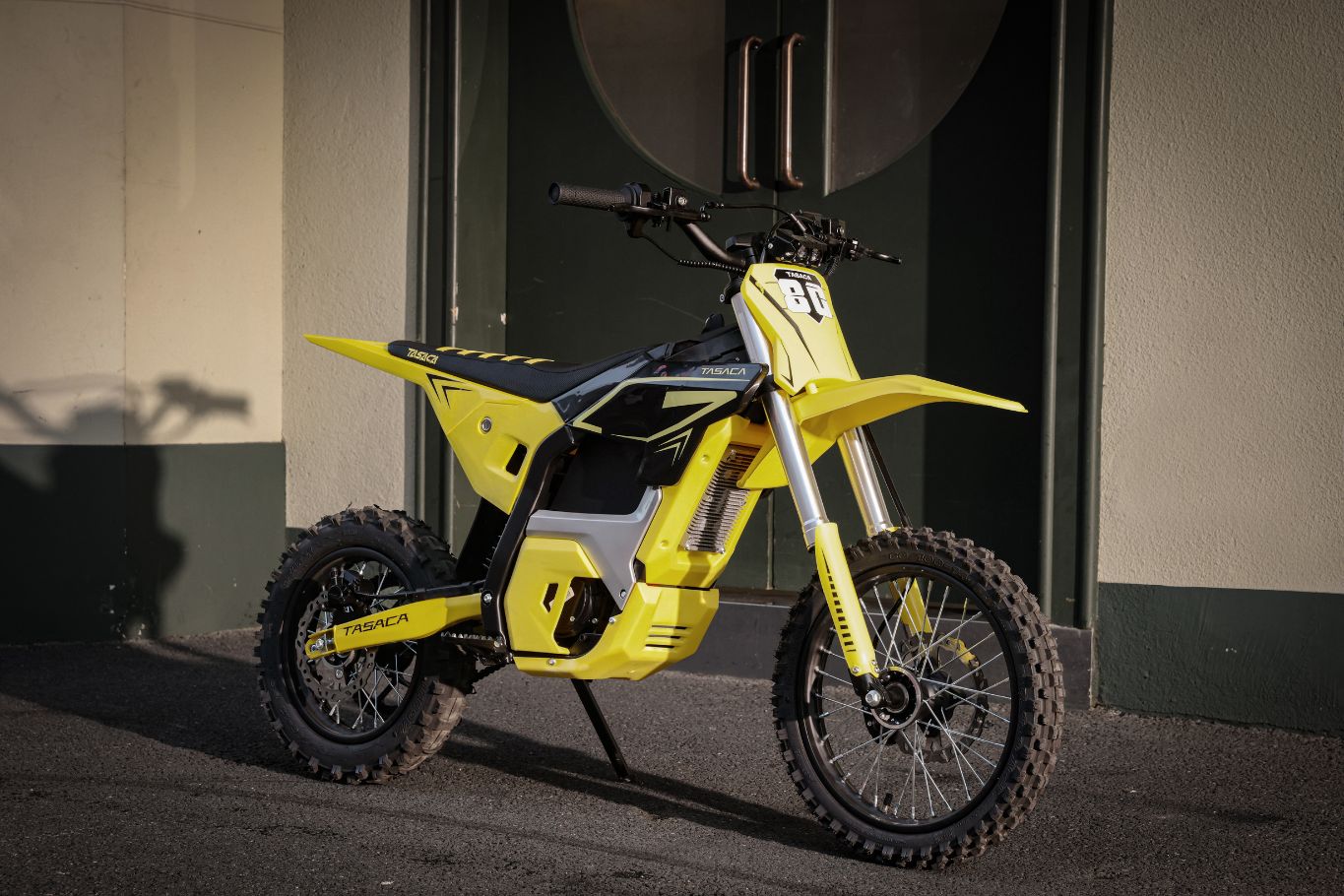
When buying an electric dirt bike, most people focus on one number: the purchase price. But what truly impacts your experience is the money spent over the years — the TCO (Total Cost of Ownership).
This guide breaks it down:
- Buying the bike is just step one
- The real spending happens afterward
- How to get better value over time
1. TCO Structure
The cost of an electric dirt bike can generally be divided into five parts: purchase price, Wear-and-Tear Parts (tires and brake pads), battery degradation and replacement, maintenance labor, and upgrades & accessories.
Most people focus only on the first cost, but what really creates the difference over time are the remaining four. These costs don't occur all at once — they accumulate gradually and ultimately determine whether the bike is truly “expensive” or not.
2. Purchase Price: Cheaper Isn't Always Better
Electric dirt bikes can generally be grouped into entry-level, mid-range, and high-performance categories, covering a wide range of price points depending on brand and configuration.
A common misconception is: start cheap and upgrade later. In reality, lower-priced models often come with compromises in component quality, durability, and overall stability. This usually leads to faster wear, more frequent replacements, and higher long-term costs.
On the other hand, higher-quality bikes typically require more upfront investment but benefit from better materials and engineering. Over time, they often prove to be more reliable and cost-efficient.
At its core, the difference is simple:
you either invest more upfront, or continue paying later.
3. The Biggest Hidden Costs: Tires + Brake Pads
Many people assume the battery is the most expensive part. However, in daily use, the most consistent spending comes from Wear-and-Tear Parts — especially tires and brake pads.
3.1. Tires (Fastest-Wearing Component)
In off-road conditions, tire wear is significantly higher than on paved roads due to:
- Gravel (high friction)
- Mud (slipping and spinning)
- Sand (high resistance)
Typical lifespan (approximate):
- Light riding: about 620–1240 miles
- Aggressive off-road: about 185–500 miles
In terms of cost, tires are generally considered a moderate recurring expense. For frequent riders, multiple replacements per year are not uncommon, making tires a consistent long-term cost.
3.2. Brake Pads (Often Overlooked)
Compared to tires, brake pads are less noticeable but still contribute significantly to ongoing costs.
Electric dirt bikes tend to be:
- Heavier
- Faster in acceleration
Which means greater reliance on braking systems.
Typical replacement interval:
- Approximately 300–930 miles
While each replacement is relatively affordable, the frequency of replacement makes it a cost that builds up over time.
Key Insight
The combination of tires and brake pads represents a classic pattern:
Lower cost per replacement + high frequency = meaningful long-term expense
4. The Biggest Long-Term Cost: Battery Degradation
The battery is the most critical — and often most expensive — component of an electric dirt bike. Replacing it is usually one of the largest single expenses during ownership.
However, batteries don't suddenly fail — they gradually degrade over time:
- Reduced range
- Decreased power output
- Slower charging efficiency
Typical degradation pattern (approximate):
- Year 1: about 5%–10% capacity loss (barely noticeable)
- Year 2–3: range reduction becomes noticeable
- Year 3–5: replacement may become necessary
Battery lifespan largely depends on:
4.1. Charging Habits
- Avoid storing at full or empty charge for extended periods
- Ideal usage range: 20%–80%
4.2. Temperature
- Heat significantly accelerates degradation
- Avoid prolonged exposure to high temperatures
4.3. Battery Quality
- Differences in brand, cells, and BMS can be substantial
A higher-quality battery typically lasts longer and reduces long-term costs.
5. Maintenance Costs: Small but Ongoing
Many people assume electric dirt bikes require little to no maintenance. In reality, they are lower maintenance than gas bikes, but not maintenance-free.
Routine checks include:
- Chain cleaning and lubrication
- Brake system inspection
- Suspension maintenance
- Electrical system checks
When it comes to maintenance, there are usually two approaches:
- DIY: lower cost, but requires time and skill
- Professional service: more convenient, but costs accumulate over time
Even occasional servicing throughout the year can gradually add to the overall cost of ownership.
6. Upgrades & Accessories: The Most Uncontrolled Spending
For many riders, the real spending begins after purchasing the bike — through upgrades.
Common upgrade directions include:
- Better tires (improved traction)
- Stronger braking systems (enhanced safety)
- Higher-end suspension (better handling)
- Brighter lighting (improved visibility)
Initial upgrades may seem minor, but once core components are involved, costs can scale quickly. Over time, it's not uncommon for total upgrade spending to approach — or even exceed — the original purchase price.
The reason is simple:
you're not buying a finished product, but a platform for continuous improvement.
Final Thoughts
A lower upfront price doesn't necessarily mean lower total cost — it often just spreads the expense over time.
Smarter spending means focusing on long-term value:
- Prioritize battery quality
- Never compromise on braking performance
- Match tires to your riding conditions
- Avoid unnecessary upgrades early on
At the end of the day, an electric dirt bike is not a one-time purchase — it's an ongoing investment.The real question isn't:“How much does the bike cost?”But rather:
“How much am I willing to spend over the next few years?”
Share:
A Safety Gear Checklist That’s Actually Worth Buying.(From Essentials → Upgrades)
Electric Dirt Bike Buying Guide: From Daily Commutes to Hardcore Trails