
Category: Buying Guides
Tags: TASACA, T500 Pro, Electric Dirt Bike, Off‑Road Riding, 2026 Buying Guide
Summary: Shopping for a capable adult‑sized electric dirt bike? This 2026 buying guide compares leading models, and spotlights the TASACA T500 Pro — delivering race‑proven performance starting at $1599. Real‑world track feedback, specs, pros‑cons and practical buying advice included.
Want roughly 55 mph without spending $2,000? The Tasaca T500 Pro is our pick for that budget. Need a
roomier trail bike around $6,000? Start with the Talaria Komodo. Want one motorcycle for commuting
and nearby dirt routes? Look at the Can-Am Origin.
The best electric dirt bikes for adults solve different problems. A compact 17/14 pit bike can be excellent
value for short recreational rides, while a full-size enduro gives taller riders more room and more capable
chassis hardware. Buying more peak power does not automatically buy a better fit, longer range, or
permission to ride on the road.
This guide compares the ten models below by intended use rather than pretending a sub-$1,000 mini and
a premium enduro are direct substitutes. The Zero FXE is included as a street-focused alternative, not as a
dirt-bike recommendation.
Quick Picks: Choose by the Problem you Want to Solve
Start with your actual riding plans. Each selection below targets a distinct rider need.
| Your Priority | Start Here | Main Reason |
|---|---|---|
| Race‑capable performance starting at $1599 | TASACA T500 Pro | Proven MX‑track performance, strong torque, competitive price point |
| Maximum power for serious enduro | Stark VARG EX Alpha | Up to 80 hp with full‑size enduro chassis |
| An electric dirt bike under $1000 | Tuttio Soleil01 | $959.99 base‑bike sale price |
| Adult trail riding with less bulk | Surron Ultra Bee HP | Balanced middle ground between mini pit bikes and large‑frame motorcycles |
| Full‑size wheels around $6000 | Talaria Komodo | 21/18‑inch wheels, 32 kW peak output |
| Lighter enduro‑wheel setup | Arctic Leopard XE Pro S Enduro | 21/18‑inch wheels at listed 165 lb curb weight |
| Compact 60V alternative | Strike Shadow SX 60V | 17/14‑inch wheels with clear 60V system specification |
| Strong acceleration below $1500 | Heybike Villain | 4.16 kW peak power within compact pit‑bike packaging |
| Road trips connecting to nearby dirt routes | Can‑Am Origin | Dual‑sport street hardware paired with 21/18‑inch wheels |
| Mostly paved commuting riding | Zero FXE | Street‑optimized chassis with 85 mph top speed |
About This Guide
Our recommendations draw from official manufacturer specifications, published riding reviews, and verified owner feedback. This represents editorial independent judgement; it is researched comparative coverage, not hands‑on dyno testing for every single unit.
Prices were checked September 04, 2026; legacy‑model reference pricing is noted where applicable. Tables list manufacturer‑seller specs; power values refer to peak output unless otherwise noted. Advertised top speed and range are maximum figures and not guaranteed for every rider, load or terrain; maximum‑range ratings do not equal range at full throttle. Taxes, delivery fees and registration may add extra cost.
1. TASACA T500 Pro — Best Race‑Ready Performance Starting At $1599
Pick the TASACA T500 Pro if you want genuine motocross‑proven performance without stretching into premium price territory. This machine pairs competitive output, 17/14‑inch wheels and track‑validated hardware for recreational and competitive adult off‑road riding.
| Specification | Details |
|---|---|
| Price | Starting at $1599 promotional price |
| Peak power | 6.5 kW; mid‑drive |
| Battery | 60V 27Ah / 1.62 kWh |
| Maximum speed | 55 mph |
| Maximum advertised range | 55‑60 miles |
| Wheel sizes / seat height | 17/14 in |
| Key hardware | Inverted hydraulic front fork, nitrogen rear shock, reverse gear |
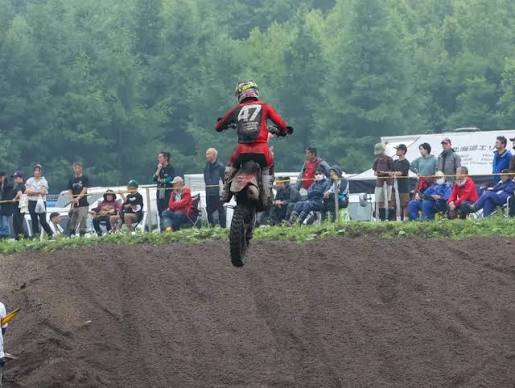
Our take: We are impressed with what the T500 Pro delivers for its price bracket. Our brand ambassador Clayton Couchman piloted the T500 Pro to a 4th‑place finish during Iowa Motocross Series Round 6, offering real‑world MX‑track validation instead of just paper specs. Riders at multiple Iowa demo events consistently highlighted its strong low‑end torque for climbing, predictable throttle response and confidence‑inspiring braking performance. Reverse gear proves very handy backing out of tight wooded corners and pit areas.
There are practical trade‑offs to note. While suspension hardware performs well for recreational‑to‑intermediate track use, hard‑core elite‑level enduro riders will still want higher‑end fully tunable aftermarket suspension components. Charging times are typical for this battery class. It is a compact‑proportioned pit‑based platform rather than full‑size 21/18‑inch enduro geometry.
Pros: ‑ MX‑race real‑world proven performance at competitive starting price; ‑ Strong 365 N·m torque for hill‑climbing and rough terrain; ‑ Reverse gear for confined‑space maneuvering; ‑ 10‑year official spare‑parts supply commitment for long‑term ownership.
Cons: ‑ Not full‑size 21/18‑inch enduro wheel geometry; ‑ Stock suspension works great for intermediate use; elite hard enduro riders may want aftermarket upgrades; ‑ Compact chassis limits fit for extra‑tall adult riders.
Best for: Intermediate‑level adults, MX recreational competitors and serious trail riders seeking race‑proven performance without premium pricing. Review fit and full specs on the <link>TASACA T500 Pro product page</link> before ordering.
2. Stark VARG EX — Best for Maximum Enduro Power
Choose the Stark VARG EX full‑size electric dirt bike for adults when chassis quality and adjustable power outweigh purchase‑price concerns. The 80‑hp Alpha variant delivers the highest output inside this round‑up, but its controllable trail manners matter more than running at full power.

| Specification | Details |
|---|---|
| Starting price | $12,990; Alpha configuration pricing varies |
| Peak power | 60 hp Standard / 80 hp Alpha |
| Battery | 7.2 kWh |
| Listed curb weight | 264 lb |
| Wheels | 21/18 in |
| Suspension | KYB full‑size enduro setup |
Our take: We would select the VARG EX for its fine‑tunable power delivery. Smooth throttle response and well‑sorted KYB suspension make a bigger difference on technical trails than raw peak horsepower. Testers riding the 60‑hp Standard model repeatedly noted how manageable power output remains. Experienced riders can dial output to suit terrain instead of fighting overly‑aggressive motor behavior.
Weight becomes its main drawback. The bike can feel fluid while moving, but recovery after a fall or manhandling off‑track demands significant physical effort. Aggressive trail riding delivers approximately 30‑35 miles real‑world range, better suited for focused sessions than all‑day remote expeditions. It earns strong consideration for serious enduro, with price and recovery weight as key decision points.
Pros: ‑ Genuine full‑size enduro hardware; ‑ Fully adjustable power output mapping; ‑ Industry‑respected KYB suspension components.
Cons: ‑ Very high purchase cost; ‑ Heavy weight when picking‑up fallen bike; ‑ Limited range under fast aggressive trail conditions.
Best for: Experienced riders prioritizing technical enduro capability. The EX variant is road‑homologated in supported markets; verify local registration rules. This is not identical to the VARG MX model.
3. Tuttio Soleil01 — Best Mini‑Bike Option Under $1000 on Sale
Select this model for low‑cost entry‑level recreational off‑road riding when promotions apply. The base Soleil01 hits the under‑$1000 search result during sales, though it cannot deliver full‑size motorcycle ergonomics at that price tier.

| Specification | Details |
|---|---|
| Base‑bike sale price | $959.99; promotion‑dependent |
| Peak power | 3 kW; mid‑drive |
| Battery | 48V 21Ah / 1.008 kWh |
| Maximum speed | 40 mph current listing |
| Maximum advertised range | 45 miles |
| Wheels | 14/12 in |
Our take: The Soleil01 represents an affordable way to enjoy casual dirt laps without investing full‑size motorcycle money. Shorter‑stature adult reviewers reported comfortable seat ergonomics and fun handling in tight‑radius low‑speed turns. Removable battery is convenient for apartment‑style charging scenarios.
Its compact format creates hard limits. Taller adults have limited room for shifting body position while riding. Independent reviews point out flimsy stock fenders and mediocre factory tire grip. This works best for low‑stress recreation; always double‑check fit and exact sale configuration prior to checkout.
Pros: ‑ Lowest entry‑level price featured in this round‑up; ‑ Removable battery pack for flexible charging locations; ‑ Compact playful mini‑bike proportions.
Cons: ‑ Small wheel and cockpit dimensions restrict taller riders; ‑ Basic stock fenders and tire compound; ‑ Suspension performance drops under heavier adult rider load.
Best for: Small‑framed adults looking for short recreational dirt sessions. Taller buyers should physically test seated and standing fit before buying purely based on price.
4. Surron Ultra Bee HP — Best All‑Round Adult Trail Option
Go with Surron when mini pit bikes feel cramped but large full‑size enduro machines feel cumbersome. The Ultra Bee HP strikes a practical compromise between adult‑friendly ergonomics, trail handling and overall curb weight.

| Specification | Details |
|---|---|
| Version | 2025 North‑American Ultra Bee HP |
| Original MSRP | $6,499 |
| Power | 18 kW Sport / 21 kW Turbo |
| Turbo duration | 10‑second burst |
| Battery | 74V 60Ah / 4.44 kWh |
| Maximum speed | 59 mph |
| Ready‑to‑ride curb weight | 195 lb |
| Wheels | 19/18 in |
Our take: We value where the Ultra Bee HP lands between compact pit‑bikes and heavy enduro motorcycles. It delivers more usable space for adult riders while remaining maneuverable for recreational trail missions. Test‑ride participants praised refined low‑speed throttle management on slippery ground and effective fork performance absorbing small‑size trail obstacles. Braking performance held‑up well through repeated trail laps.
The time‑limited Turbo boost feels less predictable than steady sustained power output; we would primarily evaluate the bike based upon Sport‑mode real‑world performance. Several testers observed tire slip on rims and recommend fitting rim locks. For most trail‑focused adults, balanced chassis behavior is its main selling point; temporary peak‑wattage numbers act more as bonus feature.
Pros: ‑ Adult‑sized ergonomics without full‑size enduro bulk; ‑ Adjustable suspension travel; ‑ Helpful electronic riding aids.
Cons: ‑ Less total suspension travel than purpose‑built competition enduro bikes; ‑ 19‑inch front‑wheel setup; ‑ Turbo power output only activates for short timed bursts.
Best for: Adults seeking a versatile recreational trail motorcycle. This section references the 2025 North‑American HP edition; verify exact model‑year and power specs when evaluating newer inventory.
5. Talaria Komodo — Best Full‑Size Wheel Package Around $6000
Choose Talaria Komodo once compact e‑moto formats no longer satisfy your riding needs. For shoppers wanting full‑size adult electric dirt‑bike geometry, its 21/18‑inch wheels and enlarged chassis outweigh raw peak‑power figures as primary purchase arguments.

| Specification | Details |
|---|---|
| Price | $5,990 |
| Peak power | 32 kW |
| Battery | 97.2V 45Ah / 4.374 kWh |
| Maximum speed | Approximately 65 mph / 105 km/h |
| Maximum advertised range | Approximately 71 miles cruising at 28 mph |
| Curb weight | Approximately 216 lb |
| Wheels / seat height | 21/18 in / 35.8 in |
Our take: The Komodo deserves strong consideration for riders feeling cramped on smaller pit‑format e‑bikes. Larger chassis and classic 21/18‑inch enduro wheel setup deliver meaningful upgrade without jumping all‑the‑way to Stark‑level pricing. Its 216‑lb curb weight means manhandling at standstill or recovering after falls requires noticeably more effort compared against Ultra Bee‑class machines. Talaria MX5 represents another popular alternative for shoppers hunting capable off‑road e‑motos.
One long‑term owner logging 3200 km gave generally positive feedback but noted stock tires leave room for improvement plus a front‑sprocket oil leak resolved under warranty. That puts tire upgrades and dealer‑support quality onto the pre‑purchase checklist. It remains compelling for experienced riders wanting extra space and power; budget for drivetrain maintenance, as electric does not equal zero‑maintenance ownership.
Pros: ‑ True full‑size enduro wheel diameters; ‑ High peak power output; ‑ Fast‑charge capability with specified compatible equipment.
Cons: ‑ Heavier curb weight versus Ultra‑Bee‑class machines; ‑ Tall seat height; ‑ Drivetrain components still require periodic service attention.
Best for: Experienced adults desiring larger chassis and higher power. Its stock max speed sits near 65 mph; if your hard requirement is 70+ mph look to other platforms.
6. Arctic Leopard XE Pro S Enduro — Best for Enduro Wheels With Less Weight
Select Arctic Leopard if you want 21/18‑inch enduro‑sized wheels without accepting 200+‑lb curb‑weight bikes. Its wheel‑size‑to‑weight ratio constitutes its primary draw — provided you can source the genuine Enduro‑spec variant.

| Specification | Details |
|---|---|
| Price / availability | $5,599; reported stock shortages at review time |
| Peak power | 20 kW |
| Battery | 74V 55Ah / 4.44 kWh |
| Maximum speed | 63 mph |
| Advertised range | 40‑50 miles |
| Listed curb weight | 165 lb |
| Wheels / seat height | 21/18 in / 34.3 in |
Our take: Its weight‑versus‑wheel‑size balance immediately draws attention. At listed 165 lb combined with full 21/18‑inch wheels, the Enduro variant offers riders a lighter alternative against Komodo or Stark‑class heavyweights. Dealer reviews from GritShift reported positive impressions of stock suspension and seat comfort after multi‑month ownership periods. This makes it compelling for tight twisty singletrack where low‑speed handling and bike maneuverability matter more than absolute peak watts.
Drive‑system layout brings another practical plus: it eliminates primary belt and jackshaft hardware while retaining final‑drive chain, simplifying part of the drivetrain, though regular maintenance cannot be fully avoided. Availability stands as its biggest short‑term barrier. Confirm stock status, spare‑parts support and exact “Enduro” configuration in writing before buying; similarly‑named Pro S / Pro R variants represent completely different builds.
Pros: ‑ Low published curb‑weight given these wheel dimensions; ‑ Simplified primary‑drive mechanical layout; ‑ Adjustable suspension hardware.
Cons: ‑ Supply‑chain / availability uncertainties; ‑ Limited real‑world long‑term owner dataset; ‑ Confusingly similar‑sounding variant names require careful ordering.
Best for: Trail‑focused riders prioritizing manageable bike weight. Confirm you receive the actual “Enduro” edition plus 21/18‑inch wheels and correct battery specification. Do not substitute regular Pro S or Pro R units.
7. Strike Shadow SX 60V — Best Compact Alternative to Cross‑Shop Locally
Evaluate Strike Shadow SX when local fit‑check opportunities and in‑person service sway your buying decision. This compact 60V machine makes valid cross‑shop comparison candidate if nearby dealers can deliver support.

| Specification | Details |
|---|---|
| Model variant | Shadow SX 60V |
| Price | $2,099 |
| Peak power | 5 kW |
| Battery | 60V 27Ah / 1.62 kWh |
| Maximum speed | 47‑49 mph |
| Wheels | 17/14 in |
| Maximum listed payload | 240 lb |
Our take: We recommend cross‑shopping this model when local sellers can facilitate physical fit‑check plus after‑sales assistance. Its 17/14‑inch wheel footprint out‑measures tiny mini‑bike platforms, while compact overall proportions remain well‑suited for recreational off‑road riding. At $2099 retail, buyers should identify tangible local‑service perks to justify price, as competing machines deliver comparable performance for less money.
Owner feedback around real‑world range deserves close attention. One 130‑lb rider reported only roughly 20‑miles practical range running Mode 2. That makes short‑loop outings with easy access back‑to‑charger far more realistic planning than long expeditions built purely around maximum‑spec range numbers. Confirm exactly which services local dealers will perform before paying premium retail price.
Pros: ‑ Clearly‑defined 60‑volt system architecture; ‑ Larger wheels than 14/12‑inch mini‑bikes; ‑ Full hydraulic suspension package.
Cons: ‑ Higher retail price versus similarly‑performing competitive models; ‑ Real‑world range requires conservative trip‑planning; ‑ Compact cockpit imposes fit limits for larger‑size adults.
Best for: Small‑framed adults comparing locally‑supported mini‑format e‑motos. Always verify dealer‑provided service scope before committing to purchase.
8. Heybike Villain — Best Compact Acceleration Value Under $1500
Choose Heybike Villain for snappy acceleration packaged within a small recreational‑bike footprint. Its power‑to‑price proposition looks attractive, yet suspension and cockpit ergonomics remain equally important for adult‑sized operators.

| Specification | Details |
|---|---|
| Current listing | Heybike V1 Classic; “Villain” naming retained for reference |
| Sale price | $1,299 |
| Peak power | 4.16 kW; mid‑drive |
| Battery | 52V 26Ah / 1.352 kWh |
| Maximum speed | 45 mph |
| Maximum advertised range | 50 miles |
| Villain‑variant listed weight | Approximately 125 lb |
| Wheels | 14/12 in |
Our take: We appreciate the Villain’s lively acceleration for its price bracket — especially for smaller‑size adults pursuing short‑duration fun rides. Owners like its snappy throttle response and welcome reverse‑gear feature simplifying backing‑up maneuvers. Rider‑weight exposes its main limitation: one roughly 200‑lb adult reviewer bottomed‑out suspension under load, while ~120‑lb lighter‑weight testers found suspension performance adequate. Available motor power does not automatically equal suspension support for heavier operators.
Several practical annoyances also show‑up in user reviews: awkward battery‑removal access, noticeable operating noise, plus early‑failure reports for display mounting hardware. If swapping‑out battery packs belongs to your daily routine you should examine those points closely. It stays compelling for lighter‑weight budget‑minded riders; heavier adults must prioritize pre‑purchase suspension fit‑testing.
Pros: ‑ Competitive acceleration performance for price point; ‑ Reverse assist functionality; ‑ Compact overall physical dimensions.
Cons: ‑ Suspension performance degrades for heavier‑weight adult riders; ‑ Small‑size cockpit layout; ‑ Battery‑access ergonomics can prove awkward.
Best for: Smaller / lighter‑weight adults wanting short recreational dirt sessions. Complete fit check highly recommended prior to ordering.
9. Can‑Am Origin — Best for Road‑and‑Trail Versatility
Pick the Can‑Am Origin full‑size electric motorcycle when you need to handle commuter road segments plus nearby off‑road dirt trails. The Origin merges street‑legal dual‑sport hardware with proper 21/18‑inch off‑road wheels, delivering a more cohesive mixed‑use package than retrofitted mini‑pit‑bike conversions.

| Specification | Details |
|---|---|
| Version | 2026 Origin base |
| Starting price | $11,499 before transport and prep fees |
| Peak power | 35 kW / 47 hp |
| Battery | 8.9 kWh |
| Maximum speed | 80 mph electronic limiter |
| Range | 90 mi city / 71 mi combined‑use |
| Listed curb weight | Approximately 412 lb |
| Wheels / suspension travel | 21/18 in / 10 in |
| Level 2 charging | 20‑80 % in 50 minutes; no DC fast‑charge capability |
Our take: We would select Origin for trips starting on paved public roads and continuing onto nearby dirt terrain. It brings proper wheel‑sizes plus suspension travel for that mission set alongside street‑legal equipment mini‑pit‑bikes simply lack. A one‑month real‑world tester praised seated comfort and successfully hit its 80‑mph speed limiter. This makes it practical for users requiring more capability than pure low‑speed trail toys.
Its considerable weight and real‑world range shape riding experience more than raw power numbers. At ~412 lb curb weight, lifting or wrestling it through difficult trail sections becomes physically demanding. Tall‑rider feedback from separate off‑road testing noted cramped standing‑attack riding posture. This machine shines best for commuting mixed‑with‑moderate trails plus convenient charging infrastructure; it is less well‑suited for remote multi‑day exploring or repeated technical obstacles.
Pros: ‑ Genuine road‑and‑dirt dual‑sport factory configuration; ‑ Level 2 AC charging capability; ‑ Mature street‑focused electronic aids.
Cons: ‑ Very heavy curb‑weight compared to trail‑specialized e‑dirt‑bikes; ‑ No DC fast‑charging hardware; ‑ Limited suitability for remote all‑day off‑road expeditions.
Best for: Riders mixing short‑distance road travel with moderate off‑road sessions, not dedicated hard‑enduro use‑cases.
10. Zero FXE — Best Street‑Focused Alternative
Select this street‑legal motorcycle if most of your riding takes‑place on paved asphalt. The FXE lands in this comparison because shoppers frequently cross‑shop it alongside e‑moto dirt‑bike options; still, it is a supermoto‑style street motorcycle and cannot substitute for knobby‑tire off‑road enduro machinery.

| Specification | Details |
|---|---|
| Version / price | $12,495 reference for 2025 FXE |
| Peak power | Approximately 34 kW |
| Battery | 7.2 kWh maximum capacity |
| Maximum speed | 85 mph |
| Wheels | 17/17 in street‑tire setup |
| Intended primary use | Urban paved‑street commuting |
Our take: We would lean‑towards FXE when honest assessment shows nearly all riding mileage accumulates on pavement. Reviewers appreciate its easy low‑speed maneuvering plus capable brake performance — valuable assets within city traffic. Its supermoto‑style street geometry makes intended application crystal‑clear. It belongs in this round‑up as reference alternative for shoppers realizing they actually require road‑legal motorcycle transport.
Real‑world range represents its main compromise. Mixed‑use commuter testing delivered approximately 65 miles, meaning you should plan routes and charging access around practical figures instead of relying solely on headline maximum‑spec numbers. Taller operators can find riding position somewhat restrictive. For predictable urban commuting it works well; for dirt‑first weekend adventures look‑to other bikes inside this buying guide.
Pros: ‑ Street‑optimized handling characteristics; ‑ ABS braking safety feature; ‑ Top‑speed performance above compact pit‑bike class.
Cons: ‑ Highway‑speed riding reduces practical range significantly; ‑ Charging logistics require advance planning; ‑ Factory street‑tire setup poorly‑suited for serious off‑road dirt missions.
Best for: Licensed urban commuters with predictable routes plus accessible charging. Dirt‑oriented buyers should prioritize other bikes featured in this buying guide.
What Matters More than the Biggest Specification Number?
The correct bike must match your body dimensions, typical trail terrain, and distance to available charging points. Evaluate these points before comparing headline top‑speed figures.
Fit and Suspension Support
Wheel diameter alone cannot guarantee good adult‑rider fit. Compare seat height, wheelbase, handlebar‑to‑peg reach and suspension load‑capacity against your riding‑gear‑on body‑weight. Published maximum payload rating does not guarantee suspension will perform well over rough terrain at that full listed payload. In‑person seated and standing fit assessment proves especially valuable evaluating Tuttio, Heybike Villain and Strike Shadow SX.
Usable Range and Charging
Compare battery energy measured in Wh / kWh rather than reading only Ah ratings. For instance, the T500 Pro’s 60V 27Ah battery stores more nominal energy than many 48‑V mini‑bike packs. Even larger‑capacity batteries cannot guarantee longer trail miles if driving heavier bike mass or ridden aggressively. Research manufacturer spare‑battery availability and always build range safety‑reserve for return‑to‑base travel. TASACA owners may reference product‑page and ownership FAQ documents alongside model‑specific specifications.
Riding Access and Total‑Cost‑of‑Ownership
Off‑road capability and public‑road legal status represent two completely separate considerations. TASACA explicitly designates T500‑series bikes for off‑road‑only usage, as do multiple competitors featured in this buying guide. Adding auxiliary lights or street‑oriented tires does not automatically grant registration eligibility. For public‑road or managed‑trail access always confirm local rules for your exact vehicle model and riding location.
Factor protective riding gear, delivery charges, consumable wear‑parts and any required registration expenses into your total project budget. Confirm spare‑parts availability and after‑sales support arrangements before committing purchase from lesser‑established brands.
Final Comparison: Which One Fits Your Riding?
Prices and specifications shown correspond to models covered above. Advertised‑range figures are collected under disparate test‑conditions and cannot be treated as apples‑to‑apples direct test‑comparison results. Dash “‑” indicates no published top‑speed value for that given model.
| Bike / version | Price reference | Peak power | Maximum speed | Battery | Wheel sizes F/R | Main practical compromise |
|---|---|---|---|---|---|---|
| TASACA T500 Pro | Starting at $1599 promo | 6.5 kW | 55 mph | 60V 27Ah /1.62 kWh | 17/14 in | Compact pit‑based chassis; not full‑size 21/18 enduro wheels |
| Stark VARG EX | From $13,040; Alpha pricing varies | 60 hp Standard / 80 hp Alpha | — | 7.2 kWh | 21/18 in | High price; heavy weight; limited fast‑riding real‑world range |
| Tuttio Soleil01 base | $959.99 sale | 3 kW | Up to 40 mph | 48V 21Ah /1.008 kWh | 14/12 in | Mini‑bike dimensions limit taller‑adult fit |
| Surron Ultra Bee HP, 2025 NA | $6,499 original MSRP | 21 kW temporary Turbo | 59 mph | 74V 60Ah /4.44 kWh | 19/18 in | Model‑variant confusion; turbo power output time‑limited burst |
| Talaria Komodo MX | $5,990 listing | 32 kW | ~65 mph | 97.2V 45Ah /4.374 kWh | 21/18 in | Heavy curb‑weight; tall seat height |
| Arctic Leopard XE Pro S Enduro | $5,599 listing; supply‑limited | 20 kW | 63 mph | 72V 55Ah /3.96 kWh | 21/18 in | Supply‑chain availability risk; confusing similar‑named variants |
| Strike Shadow SX 60V | $2,099 listing | 5 kW | 47‑49 mph | 60V 27Ah /1.62 kWh | 17/14 in | Limited real‑world range; compact‑cockpit fit constraints |
| Heybike Villain / current V1 listing | $1,299 Classic sale | 4.16 kW | Up to 45 mph | 52V 26Ah /1.352 kWh | 14/12 in | Suspension performance falls‑off under heavier‑rider loads |
| Can‑Am Origin, 2026 base | From $11,499 | 35 kW | 80 mph | 8.9 kWh | 21/18 in | Approximately 412 lb very heavy curb‑weight |
| Zero FXE, Z‑Force 7.2 | $12,495 2025 reference | Approximately 34 kW | 85 mph | 7.2 kWh maximum capacity | 17/17 in | Street‑focused machine, not built for serious dirt‑terrain riding |
Why the T500 Pro Wins Its Slot
If your target is recreational off-road riding at 50+ mph for under $2,000, the T500 Pro beats the IN10 Pro on three numbers that matter: +1.0 kW peak, +5 mph top speed, and a $1,599 floor versus $1,899. Against the Shadow SX 60V it is $500 cheaper and 1.5 kW stronger. Against the Soleil01 it is a different (larger) class. You give up full-size 21/18 wheels and KYB-level suspension, but for fire roads, open lots,and moderate singletrack the 17/14 chassis with 365 N·m and Fardriver tuning is the better dollar-per-mph deal in this list.
Product page: tasacasport.com/products/t500-pro-electric-dirt-bike
Check the T500 Pro’s current promo, exact variant (single pack vs combo), and bundled safety gear
before ordering.
Frequently Asked Questions
1. What are the top five best electric dirt bikes for adults in 2026?
Our five starting‑point recommendations are: TASACA T500 Pro for race‑proven performance starting at $1599, Surron Ultra Bee HP for versatile trail‑riding capability, Stark VARG EX for premium‑spec enduro hardware, Talaria Komodo for full‑size‑wheel platform around $6000, and Can‑Am Origin for mixed road‑and‑trail dual‑sport missions. These represent need‑based selections rather than absolute universal performance ranking.
2. Which adult‑oriented electric dirt‑bike delivers solid track‑worthy performance under $1600?
The TASACA T500 Pro is our standout pick in this category. It demonstrated real‑world MX‑track results in Iowa Motocross Series competition. Real‑world speed and range will shift with rider weight, battery charge state and trail‑surface conditions.
3. How do I pick the best‑fit electric dirt bike for my own needs?
For the machines covered in this buying‑guide: pick T500 Pro for competitive‑recreation motocross‑capable value; select Ultra Bee HP if you want premium trail‑oriented ergonomics. If you are shopping for pedal‑assist commuter bicycles this buying‑guide round‑up does not apply to your requirements.
4. Is there an electric dirt‑bike capable of hitting 70 mph featured here?
The Can‑Am Origin street‑dual‑sport model carries an 80‑mph speed limiter giving headroom above 70 mph. Zero FXE also exceeds 70 mph but is street‑optimized and not dirt‑focused. T500 Pro, Ultra Bee HP, Komodo and XE Pro S Enduro published maximum‑speed ratings sit below 70 mph.
5. Can I find a worthwhile adult‑usable electric dirt‑bike under $1000?
Tuttio Soleil01 can meet that threshold during promotional sale events. This recommendation applies for smaller‑stature adults doing light‑recreation riding. Always verify exact variant and final sale‑price. It is not a full‑size enduro‑class machine and carries fit‑plus‑suspension limitations.
——While motocross builds champions, TASACA builds the next generation of riders.
About the Author
Luca hails from Southern Europe and possesses decades of competitive racing experience. He has competed in numerous major European off-road rallies and closed-course off-road events.
Today, he is fully dedicated to providing off-road motorcycle training and technical coaching to amateur enthusiasts and young riders. After discovering and beginning to ride electric off-road motorcycles, Luca became deeply captivated by their instant torque, silent operation, and remarkably low maintenance costs. He is passionate about sharing practical riding techniques and is committed to helping more off-road enthusiasts safely ride electric dirt bikes to explore the vast network of outdoor trails.
Share:
What To Look For When Buying an Electric Dirt Bike: Compare Sur‑Ron, Yozma & TASACA T500 Series